
Best Time for Storm Restorations
Storm restorations are most effectively performed during specific times of the year when weather conditions are favorable. The optimal period typically spans late spring through early fall, avoiding winter months when snow and ice can hinder restoration efforts. Conducting repairs during these times ensures quicker response times and reduces the risk of further damage.
This period offers milder weather and longer daylight hours, facilitating efficient storm damage assessments and repairs.
Weather remains relatively stable, making it suitable for thorough restoration work before winter approaches.
Snow, ice, and freezing temperatures can delay restoration efforts and increase safety risks.
Immediately following a storm, restoration is critical to prevent further damage, but weather conditions must be suitable for safe work.
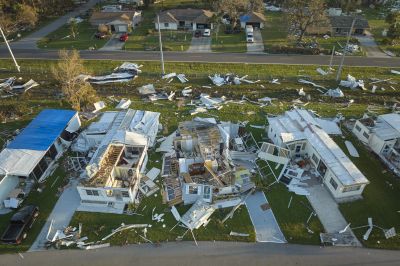
Assessing roof and structural damage after a storm.
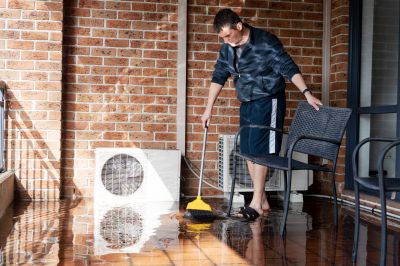
Temporary fixes to prevent further damage.
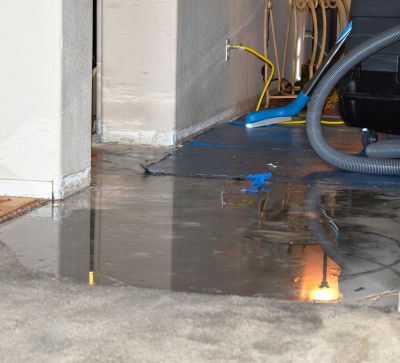
Tools and machinery used in storm damage repair.
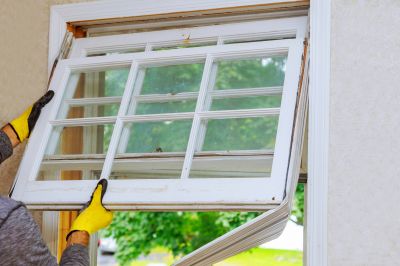
Ways to make Storm Restorations work in tight or awkward layouts.

Popular materials for Storm Restorations and why they hold up over time.
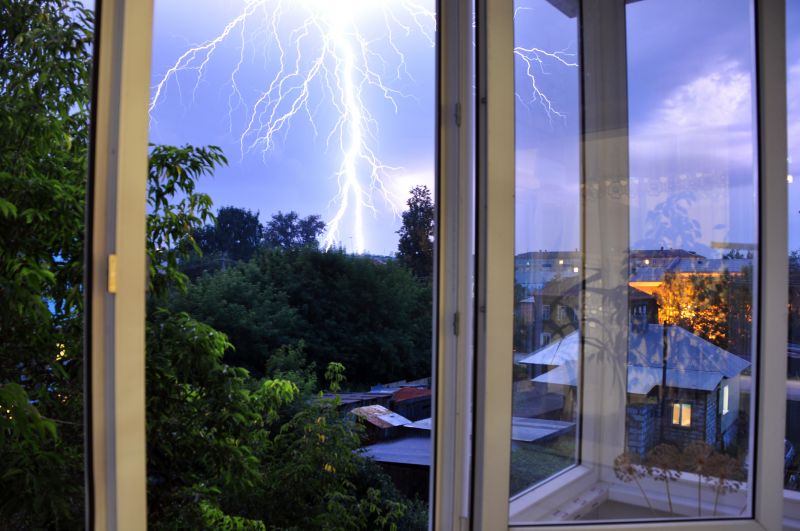
Simple add-ons that improve Storm Restorations without blowing the budget.
| Season | Advantages |
|---|---|
| Spring | Longer days, mild weather, ideal for thorough repairs. |
| Summer | Stable weather, good for large-scale restoration projects. |
| Fall | Pre-winter repairs, less storm activity. |
| Winter | Limited restoration opportunities due to weather constraints. |
Storm restorations involve repairing damage caused by severe weather events such as high winds, hail, and heavy rain. These repairs are essential to restore structural integrity, prevent further deterioration, and protect property. Timely intervention can reduce long-term costs and mitigate safety hazards. Proper planning and execution during suitable seasons can ensure efficient and effective restoration efforts.
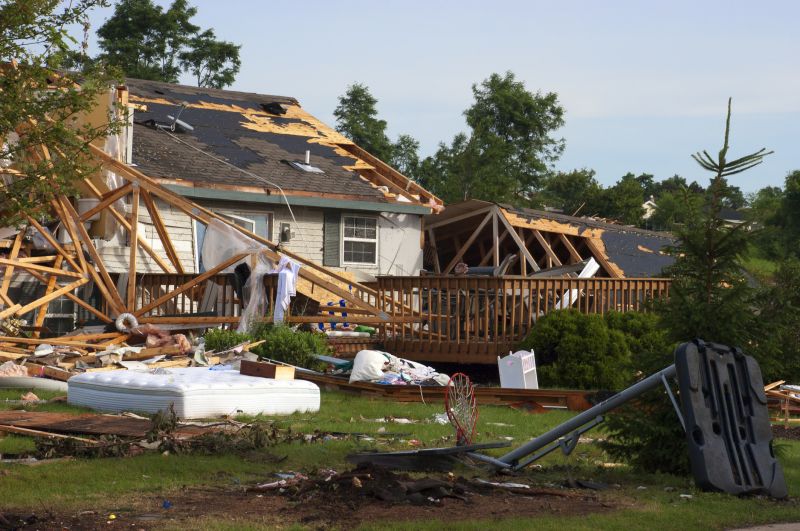
Fixing damaged roofing components.

Strengthening compromised frameworks.
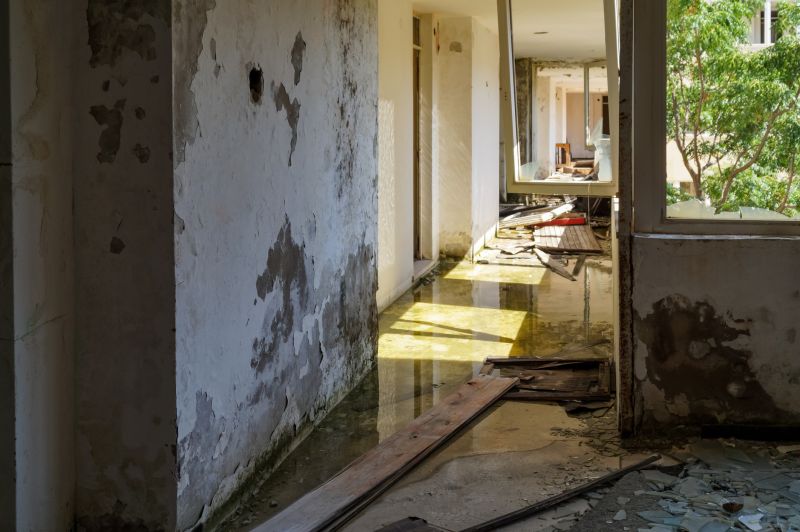
Addressing interior water intrusion.
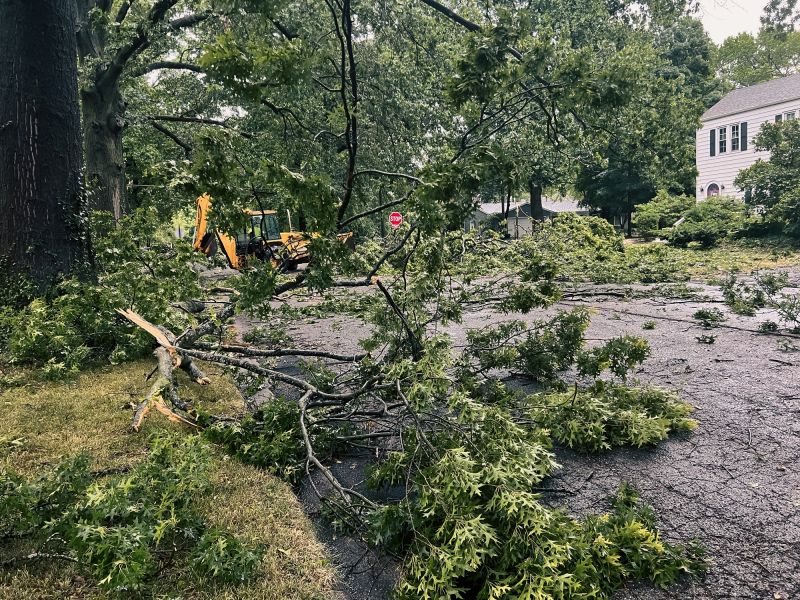
Clearing storm debris for safety and access.

High-end options that actually feel worth it for Storm Restorations.
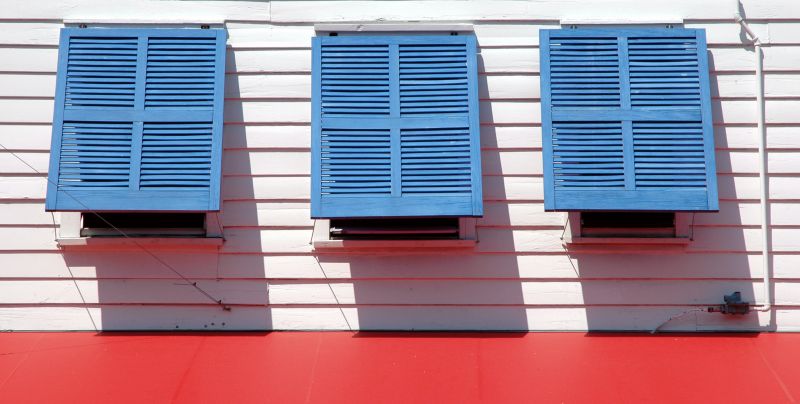
Finishes and colors that play nicely with Storm Restorations.

Little measurements that prevent headaches on Storm Restorations day.
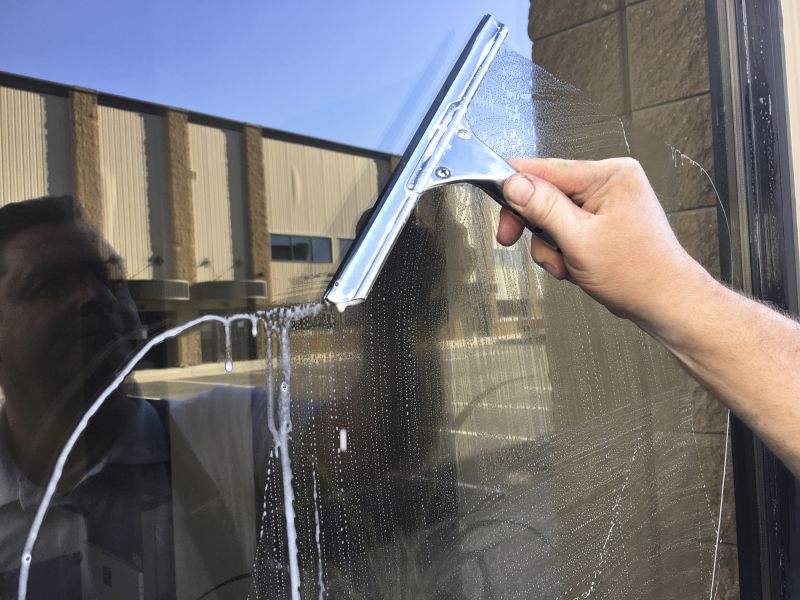
A 60-second routine that keeps Storm Restorations looking new.
Property owners should consider the seasonal weather patterns when planning storm restorations. Early planning can facilitate timely repairs, reducing the risk of secondary damages such as mold, wood rot, or structural failure. Consulting with restoration professionals can help determine the most suitable timing based on local climate conditions and storm activity trends.
Quick response minimizes long-term damage and repair costs.
Aligning restoration efforts with favorable weather conditions ensures safety and efficiency.
Keeping track of weather forecasts helps in scheduling repairs at optimal times.
Early evaluation identifies urgent repairs needed immediately after a storm.